
Category

Fundraising Software

Successful Fundraisers Rely on Modern Technology

By | Accounting, Accounting Software, Fundraising, Fundraising Software, Nonprofit, Technology, Uncategorized | No Comments

Recent studies indicate that successful fundraisers rely on modern technology to support both short and long-term fundraising goals. This study, “The Future of Fundraising in the AI Era,” published by the Blackbaud Institute, surveyed 559 nonprofits on their fundraising efforts. The results indicate that organizations with digital maturity and a long-term fundraising perspective are most successful in meeting their goals. Here’s a look at their findings and the implications for nonprofits of all sizes.

Most Fundraisers Meet or Exceed Their Targets

One of the most exciting findings from the study is that most of the fundraisers who responded met or exceeded their targets, with 53% experiencing growth and 24% indicating steady numbers.
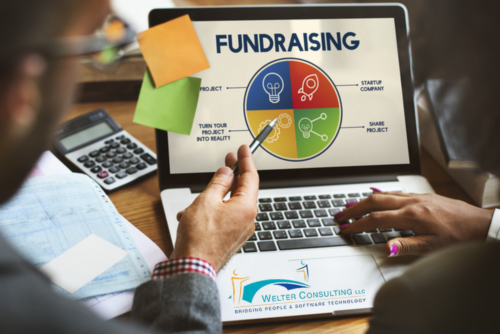
How did they do it? Without a doubt, digital maturity plays an important role in fundraising success. Digital maturity may be defined as a mindset that incorporates technology across all aspects of work. Technology isn’t seen as a separate platform but rather as an integral part of the workflow.

For fundraisers, this means using technology to solicit donations now but also to cultivate long-term relationships that lead to future gifts. Technology provides an important service, automating marketing and outreach, enabling highly specific targeting, and helping fundraisers maximize limited time and budgets.

Revenue Streams and Missed Opportunities

Another aspect of the study examined revenue streams. Non-education nonprofits focused on four revenue streams: government grants, major donations, individual donations, and foundation grants. What’s missing from this list is peer-to-peer fundraising. Although 61% of survey respondents reported using peer-to-peer fundraising, the remaining 39% did not, representing a potential missed opportunity.

Digital Maturity Stages and Fundraising Success Are Linked

One of the most important findings from the study is the link between an organization’s digital maturity and its fundraising success. The greater an organization’s digital maturity, the more likely it is to meet or exceed its fundraising targets. There is also a compelling link between digital maturity and year-over-year revenue growth.

Many organizations have embraced nonprofit accounting software. Nonprofit accounting and financial management, fundraising and donor management software, and grant and contract management platforms enabled fundraisers to use powerful automation and reporting features to improve their targeting and reach. This software, some of it AI-enabled, allows nonprofits to do more with the same team as before.

Sage Intacct, for example, offers Sage Intacct Fundraising powered by DonorPerfect to automate, modernize, and accelerate fundraising with personalized donor communications. The Intelligent GL feature uses AI to continuously monitor accounting. It can pick up anomalies in transactions. These features, when taken together, help build transparency and trust with constituents. That transparency and trust support fundraising activities.

Technology Opportunities

Given the clear link between digitally mature organizations and fundraising success, nonprofits should seek to maximize technology opportunities. But how can you do this with limited time and budget?

A few tips:

  • Maximize the use of existing technology. Many nonprofits have great resources already at their disposal, but they aren’t using them to their full advantage. Explore your existing software platforms. Are you using all the available features?
  • Set aside training time. Training goes hand-in-hand with technology use. Employees will only use technology that they feel comfortable using. You can help them overcome any barriers to adoption and use by including more training in your schedule. Consider surveying your staff to find out what they want to learn, then planning training around users’ wants and needs.
  • Explore integrations. Integration means systems that work together. They share information seamlessly, allowing you to do more with less work. Integrating accounting, finance, fundraising, and donor management platforms can provide better reports and personalization to improve fundraising activities.
  • Work with external vendors and consultants. If you already work with a technology vendor, don’t hesitate to call upon them for training and advice. Finding and working with a nonprofit consultant is a good idea too. They can help you pinpoint weaknesses in your current systems and find ways to improve them so that your organization can make the most of its existing technology resources and invest wisely in new ones.

It’s become clear that thriving organizations are those that use technology effectively. It’s not that they’ve invested the most money in the latest and greatest software packages. It’s that they have found useful ways to include technology in their daily workflows. They make the most of what they have, and they aren’t afraid to explore new ways to use technology, such as AI, in their fundraising efforts.

Welter Consulting

Welter Consulting bridges people and technology together for effective solutions for nonprofit organizations. We offer software and services that can help you with your accounting needs. Please contact us for more information.

Best Practices for Nonprofit Excellence, Part 2: Finances and Fundraising

By | Accounting, Fundraising, Fundraising Software, Nonprofit | No Comments
meeting with a person up front talking to others seated at table, finances and fundraising

Welcome to Part 2 of our series of best practices for nonprofit excellence—finances and fundraising. Without enough margin, you won’t be able to fulfill your organization’s mission. That’s why learning about the best practices in finance and fundraising goes hand in hand, because it’s not just money in (fundraising) but managing that money (finance) that ensures a robust budget for a nonprofit.

Nonprofit Financial Management Best Practices

Donors, members, and granting institutions have entrusted funds to your organization so that it may carry out its mission. These gifts represent trust – trust in your nonprofit, its management team, employees, volunteers, and board. To win and keep this trust, you must use nonprofit financial management best practices.

Budgeting

Of course, you are using best practices for budgets, including updating the budget periodically. The board should review the annual budget and discuss any questions or concerns with leadership. It’s important that the board fully understands how the organization derived its numbers and how the expenditures relate to achieving program—or organization-wide goals.

Internal Controls

Another financial management best practice is to ensure the organization has good internal controls in place. These controls involve implementing measures such as segregation of duties, where different individuals handle recording, approving, and reconciling transactions to prevent errors and fraud. Nonprofits should also establish clear policies for financial authorization, requiring approvals for significant transactions to maintain accountability.

Regular reconciliations of financial records, such as bank statements, with internal accounts help identify discrepancies early. Additionally, conducting periodic audits—both internal and external—can ensure adherence to established policies and uncover potential issues. By safeguarding assets, maintaining accurate financial records, and upholding industry standards, nonprofits can foster stakeholder trust and effectively pursue their mission.

Financial Management Software

Another best practice is to have good nonprofit accounting software. This system can save a great deal of time and effort by accurately tracking revenue, expenses, payroll, and more. The reporting features found in nonprofit accounting software also make it easy to generate reports you can share with the board and donors for clear and transparent communications. If you’re currently managing your finances using spreadsheets or small business software, you’ll find switching to nonprofit accounting software like night and day in terms of its efficiency and usefulness. Adopting nonprofit accounting software is definitely a best practice to incorporate into your organization.

Fundraising Best Practices

There’s more to fundraising than promotion. Fundraising should also include processes, procedures, and guidelines about how funds are raised, acceptable contributions, and how to handle gifts in kind.

Transparency and Accountability in Fundraising

A few years ago, several nonprofits made the news for high overhead spending. Their overhead and fundraising costs seemed to the public like an extravagance. However, the public’s negative reaction was probably based more on lack of transparency than on expenditures. Always be transparent with the public about your expenses: share reports and updates with the board, donors, members, and the public. This level of accountability demonstrates a high degree of trustworthiness as well as good financial stewardship.

Pay Your Fundraisers

If your organization subcontracts fundraising to an external person or company, always pay them a reasonable fee. Do not offer a percentage of money raised as their payment. It is considered a best practice to pay directly for these services rather than to ask the subcontractor to take a percentage of the gross.

Monitor Fundraising Practices

One best practice often overlooked among nonprofits is to monitor fundraising activities and ensure that you follow all the required rules and regulations for your state. These vary according to where your nonprofit is registered, so take time to understand them. For example, in Washington state, if you are using a commercial fundraiser, the relationship must be disclosed in your fundraising materials. Fundraisers must also follow additional requirements for phone solicitations, mass distributions, and collection containers or vending machines to ensure accountability and compliance with state regulations.

Ready to Implement Best Practices?

It may seem overwhelming to read articles like Part 1 and Part 2 in our series and see so many areas for improvement. Every organization has some areas to improve. Choose your starting point on the area that will experience the greatest impact from the changes. Whether it’s improving transparency with the public about your expenditures or exploring nonprofit accounting software, making big changes starts with today’s small step. 

Welter Consulting

Welter Consulting bridges people and technology together for effective solutions for nonprofit organizations. We offer software and services that can help you with your accounting needs. Please contact us for more information.

Three Roadblocks Keeping Your Organization from Reaching Its Fundraising Goals—and How to Overcome Them

By | Fundraising, Fundraising Software, Nonprofit | No Comments
Three Roadblocks Keeping Your Organization from Reaching Its Fundraising Goals—and How to Overcome Them

What’s keeping your organization from achieving its fundraising goals? Even though inflation is high, people still give generously to good causes. If your organization isn’t achieving its fundraising goals, here are three possible roadblocks along with ways to overcome them.

Donor Expectations Are Changing

Donor expectations have changed with the times. Some call this the “Amazon effect.” We are all so used to the great customer experience created on Amazon, with spot-on product suggestions, easily accessible wish lists, fast shipping for Prime members, and a seemingly endless array of products that it is hard to remember that a smaller business may not be able to offer similar service. But people interacting with your organization also interact with Amazon, and like it or not, the Amazons (and other big companies) of this world have taught customers to expect extremely high levels of personalization and detail in their communications.

Additionally, donors have varying communication preferences. One donor may be addicted to her phone and never misses a text while someone else eschews cellphones and prefers email or snail mail. Still others may simply drop your organization a note through their favorite social media platform, expecting an immediate response. Organizations that can adjust their approach to donor preferences and provide an omnichannel experience are more likely to maintain good relationships with donors and achieve their fundraising goals.

Roadblock One: Impersonal Donor Outreach or Marketing

If your donation correspondence begins with dear sir or madame, we need to talk. This kind of impersonal marketing is outdated. Worse, it’s ineffective. Correspondence gets sent immediately to the virtual or actual trash bin, and you’ve wasted precious opportunities to make a connection with potential donors.

Gone are the days when nonprofits segregated their communications into personal outreach and mass outreach. In ye olden days, nonprofits often saved personal outreach efforts for large donors while smaller donations received mass, generalized emails

New software and technology make it easy to personalize everything from emails to postcards. We’re not just talking about personalizing the salutation, either. Even messages can be personalized to help you reach out to donors in just the way that they prefer.

Roadblock Two: Manual Processes

Manual processes, however, often make it impossible to achieve this level of personalization. Capturing details on spreadsheets and trying to do mass mail merges into documents can be a nightmare if you have even a single field incorrect in your documents. Tracking donation responses, updating each letter personally, and sending personal notes may be fine when you’re a startup, but if you’re growing, the need for improved and personalized communication far outstrips your ability to produce it manually.

Roadblock Three: Siloed Data

Both lack of personalization and manual processes interact with this roadblock to create a situation in which organizations often fail to achieve fundraising goals. Siloed data means that data exists in separate places. It does not communicate or synchronize with other data sources, so no one data source has the big picture. One program may maintain a spreadsheet of donors while down the hall, a second group has yet another spreadsheet with donor names on it. The spreadsheets are little data siloes. It is next to impossible to use such data because often other departments don’t know it exists. And, if they do know, it’s cumbersome to use.

The Solution: Software Solutions for Nonprofits

Grant and fundraising software offer a great solution that overcomes all three roadblocks in one. Welter Consulting can help you choose the right software as well as “clean” your siloed data to ensure it is accurate and ready to import into your new software. You can move away from manual to automated processes, ensure personalization, and share data with one system. We can show you how.

Donors expect more from us today. Communications and data management have changed. But the reason your nonprofit exists—its mission—and the generosity of your donors and benefactors hasn’t changed. By using the latest technology, and embracing personalization, automation, and centralization, you can move away from processes holding you back from achieving your fundraising goals.

Welter Consulting

Welter Consulting bridges people and technology together for effective solutions for nonprofit organizations. We offer software and services that can help you with your accounting needs. Please contact us for more information.

5 Reasons Why Your Nonprofit Needs Fundraising Software

By | Fundraising Software | No Comments

How would you like to raise more money this year? Improve constituent relationships? Provide enhanced reports on fundraising activities?

All of this and more is possible when your nonprofit uses fundraising software. Fundraising software offers better oversight and management of all of your fundraising activities. And, you’ll raise more than organizations who do not use it, while saving time.

Raising more money and saving time might be enticement enough to purchase fundraising software. There are additional benefits you might need to know to persuade your director or board to budget for fundraising software.

The 5 Big Benefits of Using Fundraising Software

Spreadsheets, office productivity packages, and free email systems are sufficient for startups. Still, once your organization matures, you need robust software to manage the entire donation and fundraising process end-to-end. Top fundraising software such as Abila MIP integrated with Mobile Cause provides a comprehensive system that enables you to manage records, send promotions and appeals, and report on activities easily.

Other benefits of using fundraising software include:

  1. Raising more money: According to Mobile Cause, nonprofits using their software raised 4x more than those relying on other systems. Fundraising software enables you to store and manage all of the constituent data in one place. Such systems, called CRM systems, also allow you to link records to analyze relationships among donors. These patterns can be used to create sophisticated campaigns that leverage data for best results. Additional information from your donors can be used to solicit matching gifts, establish fundraising activities, and much more.
  2. One database: Bouncing among various databases, spreadsheets, and office productivity software is exhausting. Make a mistake in one document, and you have to hunt through multiple files and spreadsheets to find and correct it if it’s proliferated. Moving data from one system to another requires time and energy that you’d rather put towards other activities. Fundraising software offers all of the functions found in various productivity, contact management, and spreadsheet programs in one single database. It makes it so much easier to manage multiple campaign aspects.
  3. Satisfying your board: Boards require comprehensive reports on activities conducted by the organization. If you’re using disparate systems, you’re probably spending a lot of time creating spreadsheets, charts, and other data that can be used in reports. With fundraising software, you have the option of running multiple types of reports from the database. These reports do not need additional formatting. They are already formatted attractively and cleanly making them easy to understand. They can satisfy even the pickiest board member requesting information.
  4. Connect with donors: Not every donor appreciates the same amount and frequency of information. With separate systems, it’s hard to juggle campaign customization. Fundraising software makes it simple to add fields to a donor’s account so you can customize the frequency and type of connections they request. If Donor A prefers email and Donor B prefers snail mail or text, you can customize their system’s preferences to reach them in the method they require.
  5. Send thank-you notes faster and easier: Saying “thank you” to donors is one of the essential steps in the fundraising campaign process. The quicker you can thank a donor for their gift, the more favorably they will view your nonprofit. Fundraising systems enable you to send customized thank-you letters to donors as soon as donations are received. Donors who receive a thank-you within 48 hours of giving are more likely to give again. Maximize this feel-good period by sending thank-you notes quickly and easily.

Fundraising software is much more than tracking inbound donations. It leverages the sophistication of CRM systems with the business intelligence reports of a good accounting program. If you’re interested in learning more about fundraising software, please visit our website or contact Welter Consulting at 206-605-3113 for more information.